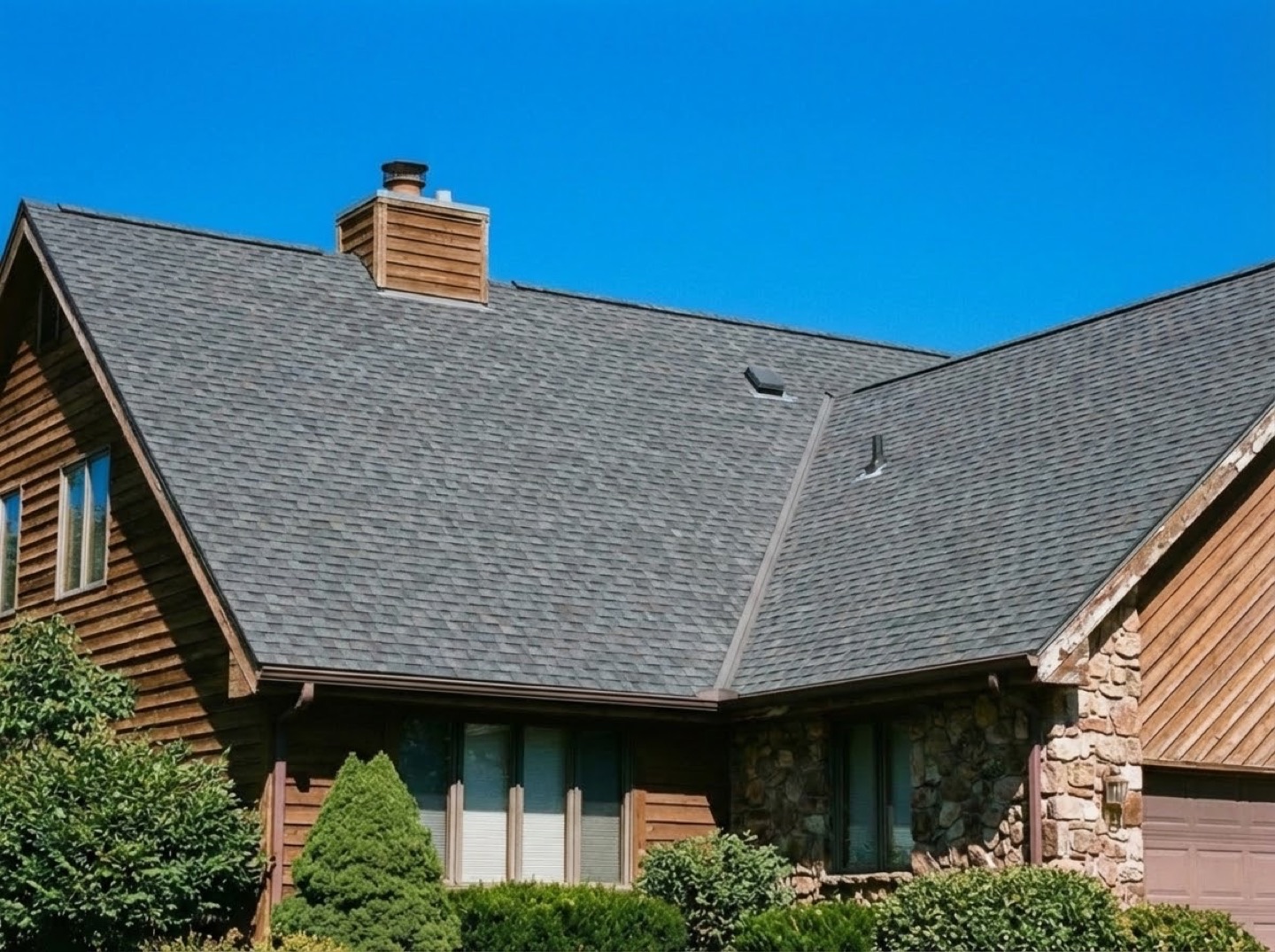
Your roof is the most critical system protecting your Denver home. At 5,280 feet, it faces challenges no other US market deals with simultaneously: 300 days of intense UV, 150+ freeze-thaw cycles annually, 3-4 major hailstorms per year, 80+ mph wind events, and heavy wet spring snow loads. This guide covers everything you need to know about replacing your roof in Denver, Aurora, Lakewood, Arvada, Boulder, Highlands Ranch, Castle Rock, and across the Colorado Front Range.
Denver roofing costs run slightly above national averages due to altitude-specific requirements and high demand from storm damage work. Here's the real pricing:
| Material | Cost Per Sq Ft | 2,000 Sq Ft Home | Lifespan in CO |
|---|---|---|---|
| 3-Tab Asphalt | $3.50-5.00 | $7,000-10,000 | 12-18 years |
| Architectural Shingles | $4.50-7.00 | $9,000-14,000 | 20-28 years |
| Impact-Resistant (Class 4) | $5.50-8.50 | $11,000-17,000 | 25-35 years |
| Standing Seam Metal | $8.00-14.00 | $16,000-28,000 | 40-55 years |
| Stone-Coated Steel | $7.00-12.00 | $14,000-24,000 | 35-50 years |
| Concrete Tile | $9.00-16.00 | $18,000-32,000 | 40-60 years |
Prices include tear-off, new underlayment, flashing, ridge vent, and cleanup. Note: Colorado lifespans are shorter than manufacturer ratings because those ratings assume sea-level UV exposure. At altitude, UV degrades materials 25% faster.
Class 4 impact-resistant shingles (Owens Corning Duration STORM, CertainTeed Landmark IR, GAF Timberline AS II) are the Colorado gold standard. Tested to withstand 2-inch hailstones, available in dozens of colors, and they qualify for insurance premium discounts of 15-35%. That discount alone pays for the Class 4 upgrade in 5-7 years.
Metal roofs handle everything Colorado throws at them. Hail bounces off, snow slides off, UV barely affects them, and they last 40-55 years. Higher upfront cost but the lowest per-year cost when you factor in not replacing it for half a century. Especially smart for homeowners planning to stay 15+ years.
Cheapest upfront but they fail fast here. Altitude UV degrades them 25% faster than at sea level. The flat profile is vulnerable to wind uplift. You'll replace them in 12-15 years, so you end up paying more long-term. Save longer and go architectural.
Don't wait for water dripping from your ceiling. By then, thousands in damage is already done. Watch for:
Colorado leads the nation in hail damage claims. Denver averages 3-4 significant hailstorms per year. The insurance claim process:
What insurance covers: full replacement if damage exceeds threshold (typically 8+ hits per test square), matching materials, code upgrades, and related siding/gutter damage. Your cost: just the deductible ($1,000-2,500 typically).
Red flag: Any contractor offering to "cover your deductible" is committing insurance fraud. Walk away.
| Situation | Repair | Replace |
|---|---|---|
| Roof under 15 years, minor damage | ✓ | |
| A few missing shingles after wind | ✓ | |
| Small localized leak, good roof otherwise | ✓ | |
| Roof 20+ years with any damage | ✓ | |
| Hail damage across multiple slopes | ✓ | |
| Previous patch repairs failing | ✓ | |
| Selling the house within 2 years | ✓ |
Rule of thumb: if repair costs exceed 30% of replacement cost, replace the whole thing. Better warranty, better appearance, better for resale.
After every hailstorm, out-of-state "storm chasers" flood Denver. Here's how to avoid them:
A typical Denver roof replacement takes 1-3 days:
Denver requires building permits for roof replacement ($150-400). Your contractor handles this. Most Denver-metro HOAs require Architectural Review Committee approval before starting, submit proposed shingle brand and color 2-4 weeks in advance. Aurora, Lakewood, Arvada, Westminster, and Thornton have similar permit requirements. Boulder has additional energy code requirements.
Free roof inspections across the Denver metro. Call Trustie Services at (720) 213-5521.
Text a photo for a free quote. We reply with a price in minutes. Serving Denver, Aurora, Lakewood, Boulder, and 50+ Colorado cities.
📱 Call (720) 213-5521Denver's diverse architecture means roofing needs vary significantly by neighborhood:
Many homes in Denver's historic districts have steep-pitch roofs, dormers, and architectural details that increase roofing complexity and cost. Some landmark districts require approval for roofing material and color changes. Cedar shake replacement may be required to maintain historic character, though fire code exceptions sometimes allow impact-resistant shingles that mimic shake appearance.
Low-pitch ranch homes from the 1960s-1980s are the easiest and cheapest to roof. Simple geometry, no dormers, walkable pitch. These homes are ideal candidates for Class 4 impact-resistant shingles. A typical 1,400-1,800 sq ft ranch roof: $8,000-14,000.
Standard suburban homes from the 1990s-2010s. Moderate complexity with multiple roof planes, valleys, and maybe a porch overhang. These are the most common roofing jobs in the Denver metro. Budget: $12,000-20,000 for architectural shingles.
Complex roof designs with steep pitches, large overhangs, and mixed materials. Often require specialty installation and premium materials. Standing seam metal is popular for the contemporary mountain aesthetic. Budget: $20,000-45,000+.
| Season | Pros | Cons | Pricing |
|---|---|---|---|
| Spring (Mar-May) | Warming temps, pre-storm season | Wet spring storms can delay work | Standard |
| Summer (Jun-Aug) | Long days, fast dry times | Afternoon thunderstorms, peak demand, heat | Highest |
| Fall (Sep-Nov) | Best weather, post-storm claims processing | High demand from storm season claims | Standard-High |
| Winter (Dec-Feb) | Lowest prices, fastest scheduling | Cold affects shingle adhesion, snow delays | 10-20% lower |
Best time to schedule: Early spring (March-April) or late fall (October-November). You avoid peak summer pricing and winter cold. Shingles need 40°F+ to properly seal, which limits winter installation windows in Denver.
After hailstorms: Demand spikes for 2-4 months following major metro-wide storms. If you can wait 3-6 months after the storm (while still filing your claim promptly), you'll get better contractor availability and sometimes better pricing.
The #1 question Denver homeowners ask after a hailstorm: "Should I file an insurance claim or pay out of pocket?" The answer depends on math, not emotion. Here's how to think about it.
File a claim when: Damage is widespread (50+ shingles affected, multiple soft metal dents on vents/flashing), your deductible is under $3,000, you haven't filed a roof claim in the past 3 years, and your roof is less than 15 years old. In these cases, insurance typically covers the full replacement minus deductible, and your premium increase ($200-$500/year for 3 years) costs less than the $8,000-$18,000 replacement.
Pay out-of-pocket when: Damage is minor (under 20 shingles, cosmetic only), your deductible is high ($5,000+), you've filed multiple claims recently (insurers may non-renew after 2-3 claims in 5 years), or your roof is over 20 years old (insurers often depreciate heavily, paying only 30-50% of replacement cost on aged roofs). In Denver, State Farm, USAA, and American Family are the most aggressive about non-renewing after multiple claims. Losing your homeowner's insurance in Denver's hail-prone market is a nightmare — replacement policies cost 200-400% more.
The inspection matters most. Get an independent inspection BEFORE calling your insurance company. A qualified Denver roofer can tell you the damage extent and estimated repair vs. replacement cost within 30 minutes. This gives you the information to make the claim/no-claim decision intelligently. Once you file a claim, it goes on your CLUE report whether you follow through or not.
Timing tip: Denver's roofing season runs April through November. Permit processing slows dramatically in summer when every roofer in town is submitting applications post-hailstorm. If you know your roof needs replacement, scheduling a winter installation (December through March) saves 10-15% on labor because roofers are desperate for work. The tradeoff: cold-weather shingle adhesion is weaker, so your contractor needs to hand-seal every shingle with roofing cement.
Free roof inspection with zero obligation: call Trustie Services at (720) 213-5521. We'll document everything with photos and give you an honest assessment — file or don't file, your call.
A typical Denver roof replacement costs $9,000-18,000 for asphalt shingles on a 2,000 sq ft home. Impact-resistant Class 4 shingles run $11,000-17,000. Metal roofing: $16,000-28,000. Prices include tear-off, installation, and cleanup.
Yes, if hail damage exceeds the repair threshold. Colorado is #1 nationally for hail claims. Insurance typically covers full replacement minus your deductible ($1,000-2,500). Document damage quickly and get an independent roofer inspection before the adjuster visits.
Impact-resistant Class 4 architectural shingles are the best value. They withstand hail, earn 15-35% insurance discounts, and last 25-35 years. Standing seam metal is the best long-term investment at 40-55 year lifespan.
1-3 days for most Denver homes. Simple ranch homes: 1 day. Larger or complex roofs: 2-3 days. Weather delays are common May-September during afternoon thunderstorm season.
Yes. Denver and most metro cities require building permits for roof replacement. Your contractor should handle the permit. Cost: $150-400. Post-installation inspection ensures code compliance.
3-tab shingles: every 12-18 years. Architectural shingles: 20-28 years. Metal: 40-55 years. Colorado's UV at altitude degrades materials 25% faster than sea-level manufacturer ratings suggest.