Trustie Services
Best Siding for Denver Homes: What Survives Colorado's Climate (2026)
HomeBlog → Siding
Siding

Best Siding for Denver Homes: What Survives Colorado's Climate (2026)

February 2026 Denver & Colorado 5 min read 1,181 words

In This Guide

  1. Why Denver is Hard on Siding
  2. Siding Materials Ranked for Colorado
  3. Cost Comparison Table
  4. Fiber Cement: The Colorado Gold Standard
  5. Vinyl Siding: Pros and Colorado-Specific Problems
  6. Engineered Wood: The Natural Look
  7. Metal Siding: Modern and Indestructible
  8. Stucco: Common but Controversial
  9. Insurance and Hail Considerations
  10. Choosing a Denver Siding Contractor
  11. Maintenance by Material

Denver's climate is uniquely punishing on home exteriors. Your siding has to survive 300+ days of intense UV at altitude, 3-4 major hailstorms per year, 150+ freeze-thaw cycles, 80+ mph wind gusts, heavy wet spring snow, and temperature swings from 70°F to 10°F in 24 hours. Materials that last 30 years at sea level may fail in 15-20 years here.

Choosing the right siding material saves you tens of thousands over the life of your Denver, Aurora, Lakewood, Arvada, Boulder, Highlands Ranch, or Castle Rock home. This guide ranks every major option for Colorado specifically.

Best Overall ChoiceFiber cement (James Hardie HardiePlank) is the #1 siding for Colorado. It handles UV, hail, fire, moisture, and insects. 30-50 year lifespan at altitude. Most Denver homes built or re-sided in the last 15 years use it. It earns insurance discounts for hail and fire resistance.

Why Denver is Hard on Siding

UV Radiation

At 5,280+ feet, Denver receives 25% more UV radiation than sea level. UV degrades organic materials (wood, vinyl) faster than anywhere in the eastern US. Fading, chalking, and brittleness accelerate dramatically. Paint on wood siding lasts 5-7 years in Denver vs 8-12 years at sea level.

Hail

Colorado is #1 nationally for hail damage. Golf-ball-sized hail (1.75") can crack vinyl siding, dent aluminum, and chip stucco. Even impact-resistant materials take cosmetic damage. Your siding material choice directly affects how often you'll file insurance claims and how your home looks between storms.

Freeze-Thaw Cycling

Denver experiences 150+ freeze-thaw cycles per year. Water seeps into cracks during warm days, freezes overnight, and expands. Over years, this destroys materials that aren't rated for extreme cycling. Stucco is particularly vulnerable at joints and penetrations.

Extreme Temperature Swings

40-60°F daily temperature changes cause materials to expand and contract constantly. Rigid materials (like some types of vinyl) can buckle, warp, or crack. Flexible materials with proper installation gaps handle this better.

Siding Materials Ranked for Colorado

Our ranking for Denver-area homes:

  1. Fiber Cement (James Hardie) — Best overall. Handles everything Colorado throws at it.
  2. Engineered Wood (LP SmartSide) — Natural look, good hail resistance, requires more maintenance.
  3. Metal (Steel/Aluminum) — Near-indestructible but dents in hail and costs more.
  4. Vinyl (Premium Insulated) — Budget-friendly but UV degradation is real at altitude.
  5. Stucco (Traditional/Synthetic) — Common in Denver but problematic with freeze-thaw.
  6. Natural Wood — Beautiful but highest maintenance. Altitude UV eats it alive.

Cost Comparison Table

MaterialCost/Sq Ft (Installed)2,000 Sq Ft HomeLifespan in COMaintenance
Vinyl (standard)$3-6$6,000-12,00015-25 yearsLow
Vinyl (insulated premium)$5-9$10,000-18,00020-30 yearsLow
Fiber Cement (Hardie)$6-13$12,000-26,00030-50 yearsLow-Medium
Engineered Wood (LP)$6-11$12,000-22,00025-40 yearsMedium
Metal (Steel)$8-15$16,000-30,00040-60 yearsVery Low
Stucco (3-coat)$7-12$14,000-24,00020-35 yearsMedium-High
Natural Wood (Cedar)$8-16$16,000-32,00015-25 yearsHigh

Costs include removal of old siding, installation, trim, and finishing. Denver metro pricing, February 2026.

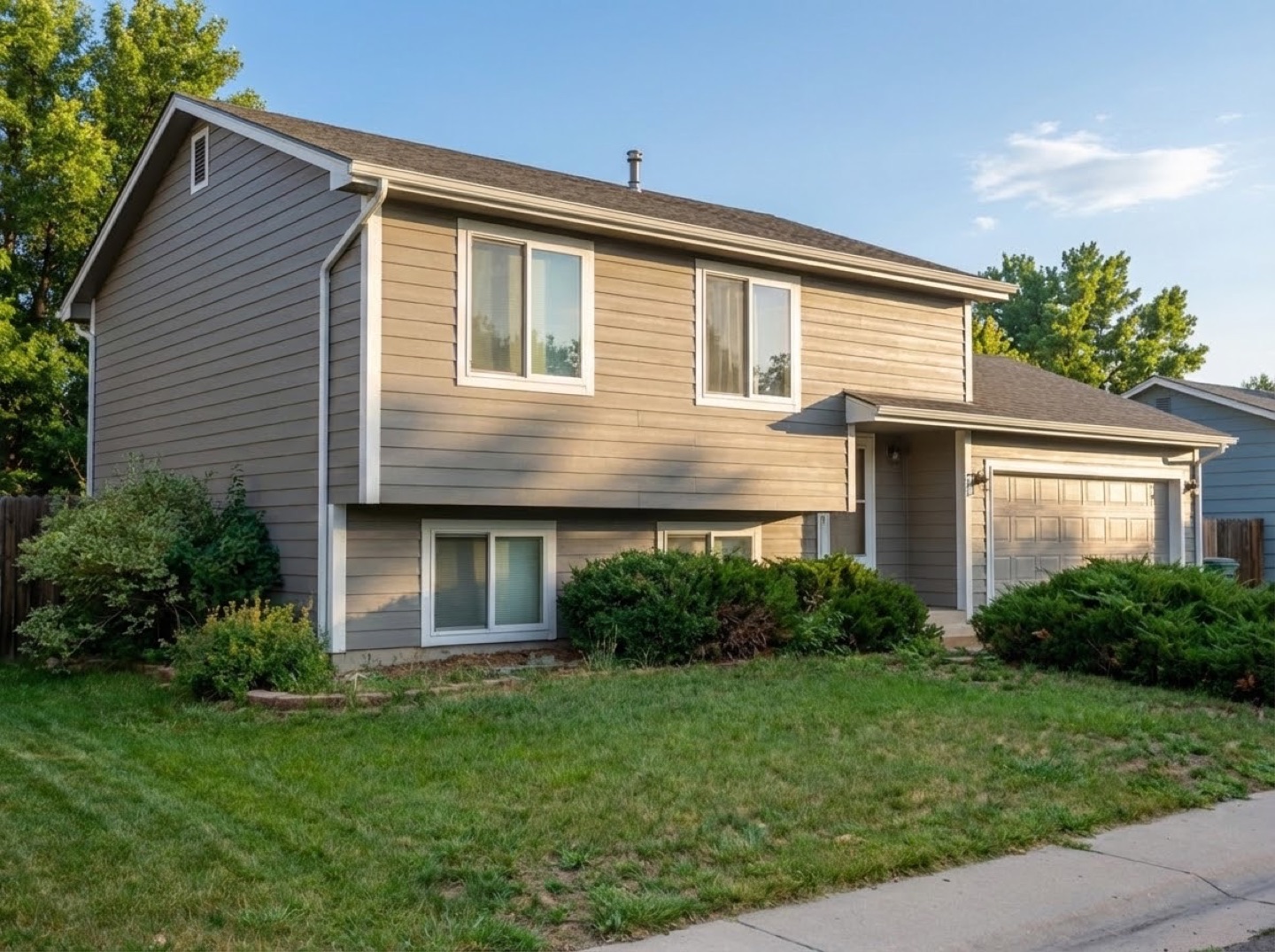
New fiber cement siding installation on Denver home

Fiber Cement: The Colorado Gold Standard

James Hardie HardiePlank dominates the Denver market for good reason. It's engineered for exactly the conditions Colorado presents:

Drawbacks: Heavier than vinyl (requires experienced installation), more expensive upfront, and needs repainting every 15-20 years. Fiber cement is only as good as its installation. Improper flashing, caulking, or nailing voids the warranty and leads to moisture problems.

Vinyl Siding: Pros and Colorado-Specific Problems

Vinyl is the most popular siding in America. In Denver, it works but has altitude-specific limitations:

Engineered Wood: The Natural Look

LP SmartSide is the leading engineered wood siding. Treated wood strands bonded with resin, it looks and feels like real wood but handles moisture and insects better.

Metal Siding: Modern and Indestructible

Steel siding is gaining popularity in Denver's modern-style builds and renovations:

Stucco: Common but Controversial

Stucco is everywhere in Denver, especially in homes built 1990-2010. It looks great when maintained but has real problems in Colorado:

If your Denver home has stucco: inspect annually, seal cracks immediately, and budget for eventual replacement with fiber cement.

Insurance and Hail Considerations

Your siding material affects your insurance premiums in Colorado:

After hail, siding damage is often covered by homeowners insurance alongside roof claims. File siding damage on the same claim as your roof for a more comprehensive replacement.

Choosing a Denver Siding Contractor

Maintenance by Material

MaterialAnnual TasksRepaint FrequencyInspection Focus
Fiber CementWash, check caulkingEvery 15-20 yearsCaulk joints, paint condition
VinylWashNever (colored through)Cracks, warping, loose panels
Engineered WoodWash, check finishEvery 8-12 yearsPaint/stain, bottom edge moisture
MetalWash occasionallyEvery 20-30 yearsDents, scratches, fasteners
StuccoInspect all cracks, sealEvery 10-15 yearsCracks, moisture stains, base

Need a siding quote? Call Trustie Services at (720) 213-5521. Free estimates for siding replacement across the Denver metro.

Ready to Get Started?

Text a photo for a free quote. We reply with a price in minutes. Serving Denver, Aurora, Lakewood, Boulder, and 50+ Colorado cities.

📱 Call (720) 213-5521

Related Denver Services

Denver's UV Problem: Why Siding Fails Faster at 5,280 Feet

Here's something most siding companies won't explain: Denver receives 25% more ultraviolet radiation than cities at sea level. At 5,280 feet, there's less atmosphere filtering the sun's UV rays, and that accelerated exposure absolutely destroys certain siding materials.

Vinyl siding is the biggest casualty. Standard vinyl warps, fades, and becomes brittle 3-5 years faster in Denver than manufacturer warranties suggest. Those warranties? They're based on sea-level testing conditions. The fine print excludes "extreme UV exposure" — and Denver qualifies. If you insist on vinyl, demand insulated vinyl with UV-stabilized colorant. It costs 30-40% more than builder-grade vinyl but actually holds up at altitude.

Wood siding faces a different altitude challenge: Denver's extreme dry-wet cycles. Average humidity in January is 45%; in July, it can swing from 15% to 80% after afternoon thunderstorms. Wood expands and contracts with moisture changes, and Denver's dramatic swings accelerate cracking, splitting, and paint failure. Cedar performs better than pine (natural oils resist moisture), but you're still looking at repainting every 4-5 years versus 7-8 years at lower elevations.

Fiber cement (James Hardie) dominates Denver for a reason. It doesn't warp from UV, doesn't absorb moisture like wood, and carries a 30-year warranty that actually holds up at altitude. HardiePlank's ColorPlus finish includes UV-resistant baked-on paint that outperforms field-applied paint by 5+ years. Cost is higher upfront ($8-$12/sq ft installed vs $4-$7 for vinyl), but the 30-year lifecycle cost is actually lower because you're not repainting or replacing sections every decade.

For a free siding assessment and material recommendation based on your home's specific exposure, call Trustie Services at (720) 213-5521. We'll also check your roof for hail damage while we're up there — no charge.

Quick Siding Cost Comparison: Denver 2026 Pricing

Based on actual Denver installations completed in late 2025 and early 2026, here's what you'll pay per square foot for materials and labor combined. These are real numbers from real projects, not national averages that don't account for Denver's higher labor costs and altitude-specific requirements.

Vinyl siding (builder grade): $4-$6/sq ft. Vinyl siding (insulated, UV-stabilized): $6-$9/sq ft. Engineered wood (LP SmartSide): $7-$10/sq ft. Fiber cement (James Hardie): $9-$13/sq ft. Natural cedar: $11-$16/sq ft. Steel siding: $10-$15/sq ft. Stone veneer accent: $25-$45/sq ft. A typical 2,000 sq ft Denver ranch home has 1,200-1,500 sq ft of siding surface area, putting total project costs between $5,000 and $20,000 depending on material choice.

Frequently Asked Questions

What is the best siding for Denver homes?

Fiber cement (James Hardie HardiePlank) is the best overall siding for Denver. It resists UV at altitude, handles hail, is fireproof, and lasts 30-50 years. Most Denver homes being re-sided today choose fiber cement.

How much does siding replacement cost in Denver?

For a 2,000 sq ft Denver home: vinyl $6,000-18,000, fiber cement $12,000-26,000, engineered wood $12,000-22,000, metal $16,000-30,000. Costs include removal, installation, and trim.

Does vinyl siding hold up in Denver?

Vinyl has altitude-specific problems: UV makes it brittle in 10-15 years, hail cracks it easily, and temperature swings cause buckling. Premium insulated vinyl performs better but still underperforms fiber cement at altitude.

Does insurance cover siding damage from hail in Denver?

Yes. Hail damage to siding is covered under standard homeowners policies. File siding damage on the same claim as roof damage for comprehensive replacement. Colorado's hail frequency makes this a common claim.

How long does siding last in Colorado?

It depends on material. Vinyl: 15-25 years. Fiber cement: 30-50 years. Engineered wood: 25-40 years. Metal: 40-60 years. Stucco: 20-35 years. All lifespans are shorter than manufacturer ratings due to altitude UV and hail.

Is stucco good for Denver?

Stucco is common in Denver but has problems: freeze-thaw cracking, moisture trapping, and hail vulnerability. If your home has stucco, budget for vigilant maintenance (annual crack sealing) and eventual replacement.

Related Guides

Roof Replacement Guide

Roof Replacement Guide

Roofing materials and costs for Denver homes...

Hail Damage Claims

Hail Damage Claims

Insurance claim process for storm damage in Denver...

Interior Painting Costs

Interior Painting Costs

What painting costs in Denver for interior and exterior...